
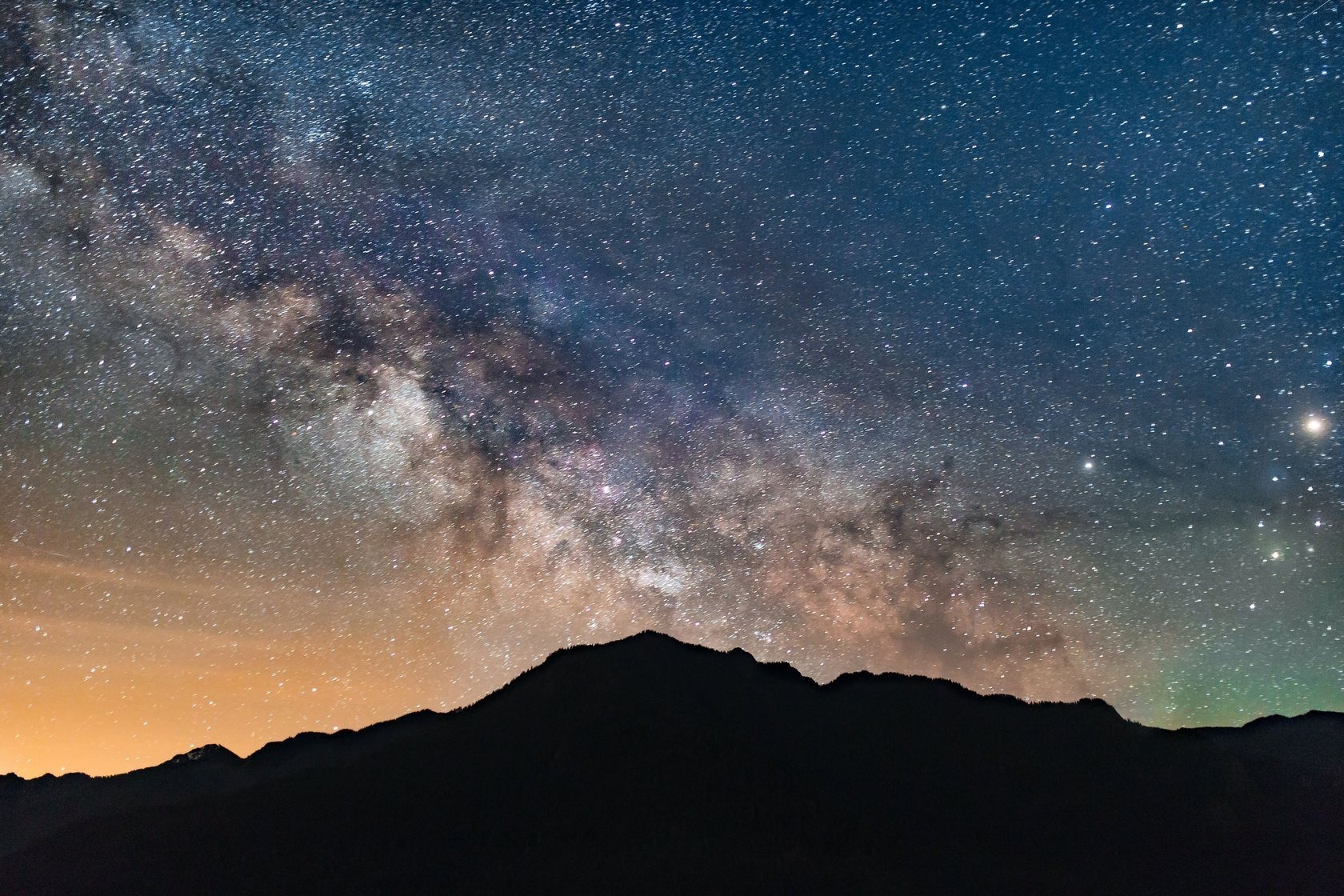
Astrophotography, the art of capturing the wonders of the night sky, is a fascinating and challenging hobby. With its combination of science, technology, and artistry, astrophotography offers a unique way to explore the universe. Spring is an excellent time to start mastering this craft, as the weather begins to clear up and the skies offer some of the best celestial displays of the year. From the breathtaking Milky Way to the myriad constellations and planets, spring skies provide a wealth of opportunities for those eager to capture the beauty of the cosmos.
Understanding the Basics of Astrophotography
Before venturing out with your camera and telescope, it’s important to grasp the fundamental concepts of astrophotography. The goal is to capture as much light as possible from distant objects in the sky, which requires specific techniques and equipment. Here are the key components to understand:
- Exposure Time: In astrophotography, exposure time refers to how long the camera’s shutter remains open to collect light. Longer exposure times allow more light to reach the sensor, which is essential for capturing faint objects like stars and galaxies. However, long exposures can lead to star trails if the camera is not perfectly still.
- Aperture: Aperture is the size of the camera lens opening. A wider aperture (a lower f-number, like f/2.8) allows more light to reach the sensor, making it ideal for astrophotography. The more light you can capture, the better the quality of your image.
- ISO Settings: ISO controls the sensitivity of your camera’s sensor to light. In astrophotography, a high ISO is often used to capture faint light from celestial objects. However, increasing the ISO also increases the noise in the image, so finding the right balance is crucial.
Choosing the Right Equipment
To get started in astrophotography, you don’t need a lot of specialized equipment, but there are some essentials that can make a significant difference in the quality of your images:
- Camera: A DSLR or mirrorless camera is ideal for astrophotography, as these cameras allow for manual control over settings such as exposure time, ISO, and aperture. A camera with a full-frame sensor is particularly useful for wide-field astrophotography.
- Lenses: A wide-angle lens with a low f-number (f/2.8 or lower) is recommended for capturing expansive views of the night sky, including the Milky Way and star clusters. A telephoto lens may be used for capturing specific celestial objects, like planets or the moon.
- Tripod: A sturdy tripod is essential to keep your camera stable during long exposures. Even the slightest movement can result in blurry images.
- Telescope (Optional): If you’re interested in deep-sky astrophotography or capturing detailed images of planets, a telescope with a camera adapter can be invaluable. Telescopes allow for higher magnification, helping to capture distant objects with great clarity.
Best Techniques for Astrophotography in Spring
Spring offers a variety of celestial events that are ideal for astrophotography. Here are some of the key events to look for and how to capture them:
- The Milky Way: Spring is one of the best times to capture the Milky Way, especially in the Northern Hemisphere. The Milky Way core becomes visible in the late evening, offering a stunning view of the galactic center. Use a wide-angle lens, a low f-number, and a high ISO to capture the intricate details of the Milky Way.
- Meteor Showers: Spring is also home to several meteor showers, such as the Lyrids (April) and the Eta Aquariids (late April to early May). To capture a meteor shower, set your camera to a wide exposure time (20-30 seconds) and aim your lens towards the radiant point of the meteor shower.
- Planets: Several planets, including Venus, Mars, and Jupiter, are visible in the spring sky. A telephoto lens or telescope can help you capture detailed images of these planets. Use a higher ISO and shorter exposure time to capture these bright objects without overexposing them.
- Star Clusters: Spring skies offer opportunities to photograph star clusters such as the Pleiades. A long exposure with a wide aperture is perfect for capturing the beautiful glow of these star clusters.
Post-Processing Your Astrophotography Images
Once you’ve captured your images, the next step is to enhance them using post-processing techniques. Post-processing can bring out details that are difficult to capture in-camera, such as faint stars or nebulae. Some popular astrophotography editing software includes Adobe Lightroom and Photoshop. Here’s what you can do during post-processing:
- Stacking: Stacking is the process of combining multiple images to reduce noise and increase detail. By stacking several images of the same object, you can reduce the noise and create a cleaner image.
- Noise Reduction: Noise can be a significant issue in astrophotography, especially when using high ISO settings. Most photo editing software includes noise reduction tools that can help smooth out the image.
- Contrast and Color Adjustment: Boosting the contrast and adjusting the colors can bring out the vibrancy of the night sky, highlighting stars, nebulae, and galaxies.
Conclusion
Mastering astrophotography is a rewarding journey that combines patience, technical skill, and creativity. Spring provides an excellent opportunity to capture some of the most stunning celestial events, from the Milky Way to meteor showers. By understanding the basics of exposure, aperture, and ISO settings, and investing in the right equipment, you can begin capturing breathtaking images of the night sky. With practice and post-processing, you’ll soon be able to create astrophotography masterpieces that showcase the beauty and wonder of the universe.
Discover more through these resources:
https://familyhousepai.com/
https://familleeducation.org/
https://gotomariko.com/
https://jetaport.com/
https://theloverspoint.com/
https://godblogcon.com/
https://leadershipeditors.com/
https://wahcbd.com/
https://exclusivenewstoday.com/
https://premiobrasilambiental.com/
https://youarebeingwatched.us/
https://kidsearnmoney.co/
https://newportbluesfestival.co.uk/
https://maitreyarelictour.com/
https://sandranews.com/
https://cryptexplorer.com/
https://offiice-officecom.com/
https://revisedtruth.com/
https://balarindangnews.com/
https://creativehomestaging.net/
https://pokercewek.org/
https://israup.net/
https://mx-df.net/
https://inewsiran.com/
https://madeinitalytravel.com/
https://i-mpressmta.com/
https://amarillaautomotores.com/
https://newstotop.com/