
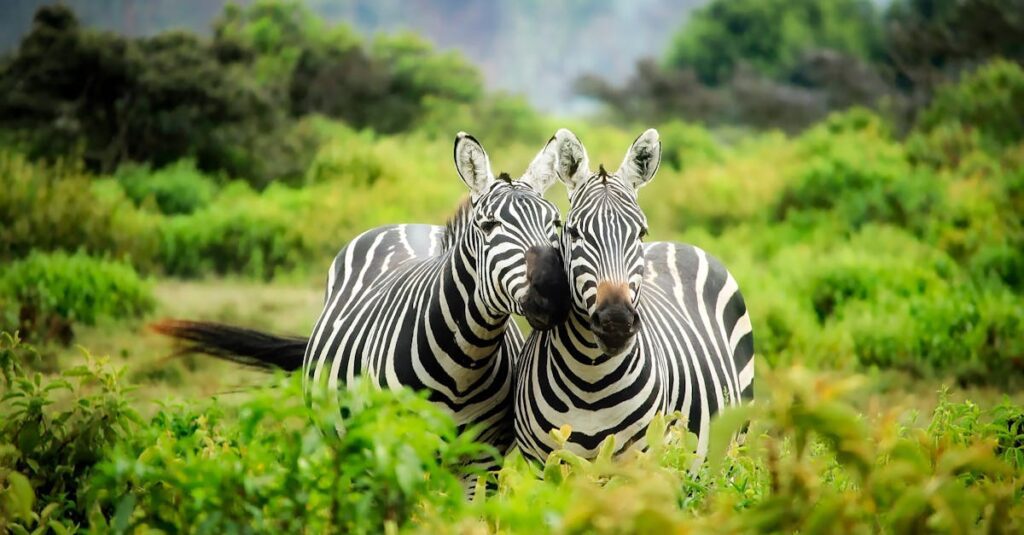
Spring is an exciting time for wildlife photography. As the days grow longer, the natural world comes to life, offering countless opportunities to capture stunning moments of animals in their habitats. From the emergence of vibrant wildflowers to animals beginning their mating rituals, the season provides a unique set of challenges and rewards for photographers. Whether you’re a beginner or an experienced wildlife photographer, mastering the art of capturing spring’s beauty can take your photography to the next level.
Understanding Spring Wildlife Behavior
One of the first steps in mastering wildlife photography during spring is understanding animal behavior. Spring is the season of renewal, and many animals are busy with mating, raising their young, or migrating. This behavior offers photographers the chance to capture unique and dynamic moments.
- Migrating Animals: Birds and other migratory creatures are often active during the spring, making it an ideal time to capture their migration patterns. Look for areas along their flight paths, such as lakes, forests, and coastal regions.
- Mating Seasons: Many animals, including deer, elk, and birds, go through mating seasons during spring. This provides opportunities to photograph behaviors like courtship displays, territorial fights, and nesting rituals.
- Newborns: Spring is synonymous with birth, and capturing the tender moments of young animals is one of the joys of wildlife photography. Look for baby animals in meadows, fields, and forests.
Essential Gear for Wildlife Photography
To successfully photograph wildlife, you’ll need the right equipment. Unlike general photography, wildlife photography often requires specialized gear to capture distant subjects, fast-moving animals, and challenging lighting conditions.
- Camera: A DSLR or mirrorless camera is ideal for wildlife photography due to their high image quality, fast autofocus, and customizable settings. A camera with a high frames-per-second rate is important for shooting action shots.
- Lenses: A telephoto lens (at least 200mm) is essential for photographing wildlife from a distance without disturbing them. A longer lens, such as a 400mm, is even better for distant shots. Consider investing in a lens with a wide aperture (f/2.8 or f/4) to shoot in low light conditions.
- Tripod: A sturdy tripod is important for stabilizing your camera, especially when using long lenses. A monopod can be a great alternative for easier mobility.
- Additional Gear: A camera rain cover, extra batteries, and memory cards are important for long outdoor shoots. A camouflage jacket or hide can help you blend into your surroundings and avoid scaring off the animals.
Composing the Perfect Shot
Composition is key in wildlife photography, and spring provides a wealth of opportunities to experiment with different techniques. Keep these tips in mind:
- Rule of Thirds: Position your subject off-center to create a more dynamic and visually appealing shot. Imagine your frame divided into thirds both horizontally and vertically, and place the subject along these lines or intersections.
- Focus on the Eyes: In animal portraits, always focus on the animal’s eyes. Sharp eyes can convey emotion and create a strong connection with the viewer.
- Capturing Movement: To convey the energy and vitality of spring, try photographing animals in motion. Use a fast shutter speed (1/1000 or faster) to freeze motion, or use a slower shutter speed for creative blur effects to show speed and action.
The Ethics of Wildlife Photography
Ethical wildlife photography is an essential aspect of the craft. It’s crucial to remember that wildlife photography should not disturb animals or their habitats. Respect for nature should always come first.
- Maintain a Safe Distance: Never approach wildlife too closely. Use long lenses to capture animals from a distance. Some animals may become stressed or aggressive if they feel threatened.
- Avoid Interfering with Nature: Don’t disturb nests, habitats, or feeding areas. The goal should always be to observe animals without altering their behavior.
- Respect Wildlife: Always remember that you are a guest in the animal’s home. Avoid causing unnecessary stress by keeping noise to a minimum and ensuring that your presence does not interfere with the animals’ natural behaviors.
Techniques for Action Shots
Spring is the perfect time to capture animals in action, from birds taking flight to mammals sprinting across open fields. To get the perfect action shot, try these tips:
- Shutter Speed: Use fast shutter speeds (1/1000 or faster) to freeze fast-moving animals. For birds in flight, you may need even faster speeds.
- Autofocus Mode: Use continuous autofocus (AI Servo or AFC mode on most cameras) to keep moving subjects sharp. This ensures your camera continuously adjusts focus as the animal moves.
- Tracking: Follow the movement of the subject while keeping it in focus. This may require practice, especially for fast or erratic movements like birds in flight.
Editing Your Wildlife Shots
Post-processing is an important step in enhancing your wildlife photos. However, always aim to keep your edits true to the scene.
- Adjust Exposure: Fine-tune exposure to ensure the subject is properly lit, especially if you’re shooting in bright or low-light conditions.
- Enhance Sharpness: Use sharpening tools to bring out the details in the animal’s fur, feathers, or skin.
- Color Balance: Adjust the color balance to ensure the natural tones of the wildlife are represented. Avoid oversaturation, which can make the image appear artificial.
Conclusion
Wildlife photography in the spring requires patience, preparation, and respect for nature. By understanding animal behavior, using the right gear, mastering composition, and adhering to ethical guidelines, you can capture stunning images that showcase the beauty of the natural world. Spring is an exciting time for wildlife photographers, offering unparalleled opportunities to witness and document nature’s most captivating moments.
Refer to these sources for related topics:
https://aismsocialride.it/
https://familynursehomecare.com/
https://usydfoodcoop.org/
https://alpacadreamsnc.com/
https://scottishrepublicansocialistmovement.org/
https://livecliq.net/
https://qe2hotels.com/
https://blithespirittheplay.com/
https://vieille-charite-marseille.org/
https://houseofkava.com/
https://rambuseducation.com/
https://sacbiznews.com/
https://cannabisprofitscourse.com/
https://atoustages.fr/
https://childrensismoving.com/
https://usakitchenandhome.com/
https://hellowatch.co.uk/
https://landformblog.co.uk/
https://lawscl.org/
https://macgregorsladiesfashion.com/
https://easternfashiononline.com/
https://seikopoker.com/
https://motornewsfirst.com/
https://collezionivaticano.it/
https://csusmhistory.org/
https://petmall.org/
https://kardashianfragrance.com/
https://jennymacklin.net.au/
https://somdmda.org/
https://fashionbetgiris.net/